
Product Description
Motorcycle Sprocket And Chain Kit
Fitment with:
-
Honda XL125 CG125 NXR125
KTM Duke 200 390
GN125Note:
Please make sure this item will fit your vehicle before you purchase.
Package included:
1# Front Sprocket : 20CrMnTi
2# Rear Sprocket : 45# ,Heat Treatment
3# Chain : 428H
More available parts for:
Motorcycle,Scooter,Cub,ATV,Pocket bike,Dirtbike/Off Road /Endura / Tricycle /3Wheelers etc
| HONDA | CG125 CG150 CG200 GY650( 125 150) C70 C90 C100 C110 CUB90 WAVE100 WAVE110 WS110 WAVE125 CB125 CB150 SH125 SH150 TMX125 XRM125 WH125 Spacy125 SCR110 Lead100 Lead110 Cargo150 GL NXR125 NXR150 DIO125 PCX125 PCX150 CB1 XL125 XL150 XR125 XR150 CBR250 CBR125 CBR150 Vario Blade CB110 Twister E-Storm CB190R CBZ160 NXR160 BIZ100 BIZ125 ECO Deluxe 100 TRX300/450 CB400 |
| YAMAHA | 3KJ JOG 50 2JA BWS MBK YB50 2JA JOG50 CRYPTON110 XC125 Y110 RX115 JY110 YBR125 MAJESTY250 CYGNUS X125 MIO NOUVO JUPITER-MX RXS115 Crypton115 Cyguns125 FZ16 FAZER250 YS150 R15 MT15 BWS125 VINO50 XT225 XTZ125 YBR125-K MIO-J |
| SUZUKI | GN125 GN150 AX100 GS125 AD50 AG50 HJ125 SMASH110 AX-4 GD110 Burgman 125 AN125 EN125 BEST125 Shogun125 LET’II |
| KAWASAKI | BC175 KRISS BAJAJ-CT100 BAJAJ-CNG125 KLX250 KLX150 NINJA250 EX300 ER6N |
| ITALIKA | CS125, DS125, XS125/150, DS150, GS150, WS150, ST70, STRADA70, ST90, AT110, ARGENTA110, FT110/125/150, XT110, FORZA150,150Z,250Z,CR5,CR7, |
| BAJAJ | CT100, PULSAR135/BOXER150/180/200, DISCOVER125/135, PLATINO100/125 Pulsar220NS BM150 ,XCD125 BM100,PULSAR200NS,RE205,BAJAJ 175 RE225, VARROC O/M,VARROC N/M |
| TVS | STAR 100,HLX125 Apache160 ApachE180 RTR 160/180,KING |
| KYMCO | Agility125 GY6-125,GY6-150,Agility125RS, |
| AKT | AK110S,AK100,AKT125 EVO TT ,AKT150 EVO TT,XM180/200, |
| Type: | Sprocket |
|---|---|
| Material: | Steel |
| Certification: | ISO9001:2001, CCC |
| Number of Row: | Single Row |
| Front Sprocket: | 15t |
| Rear Sprocket: | 39t |
| Samples: |
US$ 50/Piece
1 Piece(Min.Order) | |
|---|
| Customization: |
Available
| Customized Request |
|---|
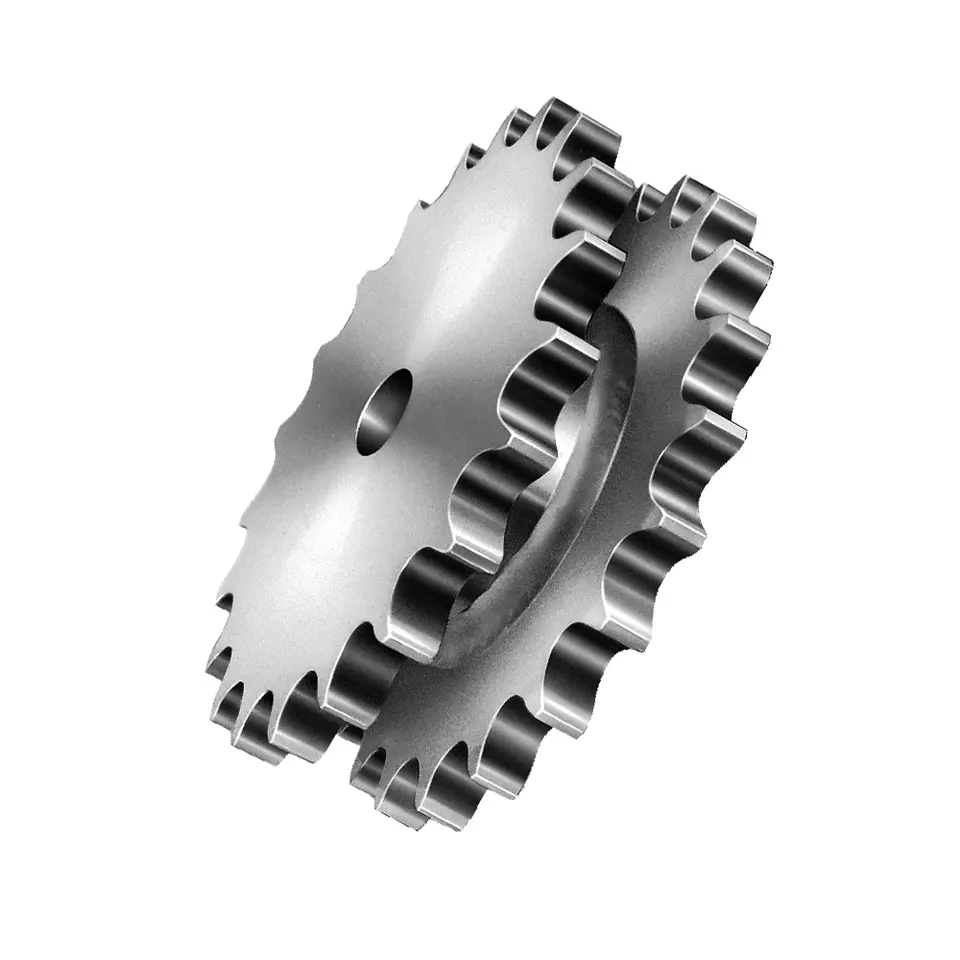
How to Identify and Troubleshoot Common Issues with Wheels and Sprockets
Identifying and troubleshooting common issues with wheels and sprockets can help you maintain their proper functioning and prevent potential problems. Here are some steps to follow:
- Abnormal Noise: If you notice unusual noise during operation, it could indicate misalignment, worn sprockets, or a loose chain. Check for any loose bolts or fasteners and ensure proper alignment of the sprockets.
- Chain Slippage: Chain slippage can occur due to insufficient tension or worn-out sprocket teeth. Check the chain tension and adjust it to the recommended level. Inspect the sprocket teeth for signs of wear and replace them if necessary.
- Uneven Wear: Uneven wear on the sprocket teeth can be a result of misalignment or a worn-out chain. Check the alignment of the sprockets and adjust as needed. If the chain is stretched or has damaged links, replace it with a new one.
- Excessive Vibration: Excessive vibration may be caused by imbalanced wheels or misaligned sprockets. Check for any bent or damaged wheels and ensure proper alignment of the sprockets.
- Chain Skipping: If the chain skips over the sprocket teeth during operation, it could be due to worn sprocket teeth or a loose chain. Inspect the sprocket teeth for signs of wear and replace them if necessary. Adjust the chain tension to the proper level.
- Chain Jamming: Chain jamming can occur if there is debris or dirt between the chain and sprockets. Clean the chain and sprockets thoroughly to remove any obstructions.
- Excessive Chain Wear: Regularly inspect the chain for signs of wear, such as elongation, damaged links, or rust. Replace the chain if it is significantly worn to avoid damage to the sprockets.
- Overheating: Overheating can be caused by high friction between the chain and sprockets or improper lubrication. Ensure proper lubrication and check for any misalignment or tight spots in the system.
By identifying these common issues and performing regular inspections, you can troubleshoot problems early on and take appropriate corrective measures, ensuring the smooth operation and longevity of the wheel sprocket assembly.
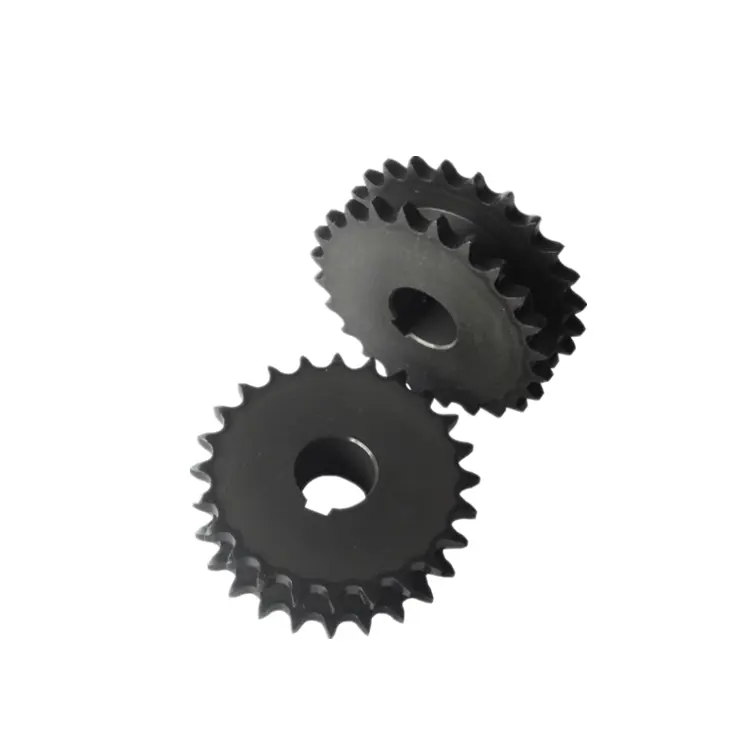
Vertical Power Transmission with wheel sprocket System
Yes, a wheel sprocket system can be used for vertical power transmission. In such cases, the system is designed to transmit power and motion between vertically aligned shafts. Vertical power transmission using a wheel sprocket assembly follows similar principles to horizontal transmission, but there are some factors to consider:
- Load and Torque: When transmitting power vertically, the weight of the load can significantly impact the torque requirements. The torque must be sufficient to lift the load against gravity while accounting for friction and other resistive forces.
- Sprocket Selection: Choosing the right sprocket is critical for vertical transmission. The sprocket teeth must be designed to engage the chain or belt effectively and prevent slipping, especially when lifting heavy loads.
- Lubrication: Proper lubrication is essential to reduce friction and wear in the system. Vertical applications may require specific lubricants to ensure smooth operation and prevent premature failure.
- Tensioning: Maintaining the correct tension in the chain or belt is crucial for vertical power transmission. Proper tension helps prevent sagging and ensures proper engagement between the wheel sprocket.
- Overhung Load: In vertical setups, the weight of the sprocket and shaft assembly can impose an overhung load on the bearings. Adequate support and bearing selection are necessary to handle this load.
Vertical power transmission with a wheel sprocket system is commonly used in various applications, including conveyor systems, elevators, and some industrial machinery. Proper design, installation, and maintenance are essential to ensure safe and efficient operation in vertical configurations.

Choosing the Right Size of Sprocket to Match a Wheel
Choosing the correct size of sprocket to match a wheel is essential for ensuring efficient power transmission and proper functionality of a mechanical system. Here are the steps to help you choose the right size of sprocket:
1. Determine the Pitch Diameter of the Wheel:
Measure the diameter of the wheel from the center to the point where the teeth of the sprocket will engage with the wheel. This measurement is known as the pitch diameter of the wheel.
2. Identify the Desired Gear Ratio:
Determine the gear ratio you want to achieve for your application. The gear ratio is the ratio of the number of teeth on the sprocket to the number of teeth on the wheel and determines the speed and torque output.
3. Calculate the Number of Teeth on the Sprocket:
Once you have the pitch diameter of the wheel and the desired gear ratio, you can calculate the number of teeth on the sprocket using the formula:
Number of Teeth on Sprocket = (Desired Gear Ratio) * (Number of Teeth on Wheel)
4. Select a Standard Sprocket Size:
Based on the calculated number of teeth on the sprocket, choose a standard sprocket size that comes closest to the calculated value. Sprockets are available in various tooth counts, and you may need to choose the nearest size available.
5. Consider Chain Compatibility:
If you are using a chain drive system, ensure that the selected sprocket is compatible with the chain you plan to use. The chain pitch (distance between the centers of adjacent roller pins) should match the pitch of the sprocket.
6. Verify Center Distance:
Check that the center distance between the wheel and the sprocket is appropriate for your application. The center distance is the distance between the centers of the wheel and the sprocket and should be set to achieve the desired tension and alignment of the chain or belt.
7. Consider the Material and Tooth Profile:
Select a sprocket material suitable for your application, such as steel, stainless steel, or plastic, based on factors like load, environment, and operating conditions. Additionally, consider the tooth profile (standard or custom) to ensure smooth engagement with the chain or belt.
By following these steps and considering the specific requirements of your machinery and mechanical system, you can choose the right size of sprocket to match your wheel and achieve optimal performance and longevity of the system.


editor by CX 2023-11-09