
Product Description
Product Description
Wholesale High Quality Excavator Spare Parts Rim Sprocket CAT320 excavator sprocket 8E9805 segment roller chain sprockets
| Product Name | Bulldozer and Excavator Sprocket Wheel Teeth Segment Group |
| Brand Name | DINGTAI |
| Color | Yellow or Black |
| Material | Forged boron steel |
| Surface Hardness | 470-560HB |
| Resilience | 25C≥49JCM2 |
| Size | Standard |
| Technique | Forging and Casting |
| Warranty | 12 Months |
| After-sales Service | We will exchange goods and make up compensation if they break up within warranty. |
| Payment | 50% payment as deposit, and we prepare goods. The balanced payment should be paid when you receive the goods well-preparation notice. |
Our ongoing research into sprockets and segments
and our pursuit of only the highest performing components,
have led to results which have significantly reduced wear and cut cost per hour. One example is our special formula steel developed for mining dozer segments which, when combined with other ITM undercarriage components, guarantee unrivalled performance.
Sprockets matching any type of crawler machine application and most common final drive types.
Three to 6 teeth forged segments suitable for dozer track-type
machines ranging from 6 to 100 tons.
Monoblock cast sprockets.
New bolt-on segments for mining dozers.
| For ktsu | ||||||||
| PC20-7 | PC30 | PC30-3 | PC30-5 | PC30-6 | PC40-7 | PC45 | PC45-2 | PC55 |
| PC120-6 | PC130 | PC130-7 | PC200 | PC200-1 | PC200-3 | PC200-5 | PC200-6 | PC200-7 |
| PC200-8 | PC210-6 | PC220-1 | PC220-3 | PC220-6 | PC220-7 | PC220-8 | PC270-7 | PC202B |
| PC220LC-6 | PC220LC-8 | PC240 | PC300 | PC300-3 | PC300-5 | PC300-6 | PC300-7 | PC300-7K |
| PC300LC-7 | PC350-6/7 | PC400 | PC400-3 | PC400-5 | PC400-6 | PC400lc-7 | PC450-6 | PC450-7 |
| PC600 | PC650 | PC750 | PC800 | PC1100 | PC1250 | PC2000 | ||
| D20 | D31 | D50 | D60 | D61 | D61PX | D65A | D65P | D64P-12 |
| D80 | D85 | D155 | D275 | D355 | ||||
| For HITACHI | ||||||||
| EX40-1 | EX40-2 | EX55 | EX60 | EX60-2 | EX60-3 | EX60-5 | EX70 | EX75 |
| EX100 | EX110 | EX120 | EX120-1 | EX120-2 | EX120-3 | EX120-5 | EX130-1 | EX200-1 |
| EX200-2 | EX200-3 | EX200-5 | EX220-3 | EX220-5 | EX270 | EX300 | EX300-1 | EX300-2 |
| EX300-3 | EX300-5 | EX300A | EX330 | EX370 | EX400-1 | EX400-2 | EX400-3 | EX400-5 |
| EX450 | ZAX30 | ZAX55 | ZAX200 | ZAX200-2 | ZAX330 | ZAX450-1 | ZAX450-3 | ZAX450-5 |
| ZX110 | ZX120 | ZX200 | ZX200 | ZX200-1 | ZX200-3 | ZX200-5g | ZX200LC-3 | ZX210 |
| ZX210-3 | ZX210-3 | ZX210-5 | ZX225 | ZX240 | ZX250 | ZX270 | ZX30 | ZX330 |
| ZX330 | ZX350 | ZX330C | ZX450 | ZX50 | ||||
| For CATERPILLER | ||||||||
| E200B | E200-5 | E320D | E215 | E320DL | E324D | E324DL | E329DL | E300L |
| E320S | E320 | E320DL | E240 | E120-1 | E311 | E312B | E320BL | E345 |
| E324 | E140 | E300B | E330C | E120 | E70 | E322C | E322B | E325 |
| E325L | E330 | E450 | CAT225 | CAT312B | CAT315 | CAT320 | CAT320C | CAT320BL |
| CAT330 | CAT322 | CAT245 | CAT325 | CAT320L | CAT973 | |||
| D3 | D3C | D4 | D4D | D4H | D5M | D5H | D6 | D6D |
| D6M | D6R | D6T | D7 | D7H | D7R | D8 | D8N | D8R |
| D9R | D9N | D9G | D10 | |||||
| For Sumitomo | ||||||||
| SH120 | SH120-3 | SH200 | SH210-5 | SH200 | SH220-3 | SH220-5/7 | SH290-3 | SH350-5/7 |
| SH220 | SH280 | SH290-7 | SH260 | SH300 | SH300-3 | SH300-5 | SH350 | SH60 |
| SH430 | ||||||||
| For KOBELCO | ||||||||
| SK120-6 | SK120-5 | SK210-8 | SK210LC-8 | SK220 | SK220-1 | SK220-3 | SK220-5/6 | SK200 |
| SK200 | SK200 | SK200-3 | SK200-6 | SK200-8 | SK200-5/6 | SK60 | SK290 | SK100 |
| SK230 | SK250 | SK250-8 | SK260LC-8 | SK300 | SK300-2 | SK300-4 | SK310 | SK320 |
| SK330-8 | SK330 | SK350LC-8 | SK235SR | SK450 | SK480 | SK30-6 | ||
| For DAEWOO | ||||||||
| DH200 | DH220-3 | DH220 | DH220S | DH280-2 | DH280-3 | DH55 | DH258 | DH130 |
| DH370 | DH80 | DH500 | DH450 | /DH225 | ||||
| For HYUNDAI | ||||||||
| R60-5 | R60-7 | R60-7 | R80-7 | R200 | R200-3 | R210 | R210 | R210-9 |
| R210LC | R210LC-7 | R225 | R225-3 | R225-7 | R250 | R250-7 | R290 | R290LC |
| R290LC-7 | R320 | R360 | R954 | |||||
| For KATO | ||||||||
| HD512 | HD1430 | HD 512III | HD 820III | HD820R | HD1430III | HD700VII | HD 1250VII | HD250SE |
| HD400SE | HD550SE | HD1880 | ||||||
| For DOOSAN | ||||||||
| DX225 | DX225LCA | DX258 | DX300 | DX300LCA | DX420 | DX430 | ||
| For VOLVO | ||||||||
| EC160C | EC160D | EC180B | EC180C | EC180D | EC210 | EC210 | EC210B | EC240B |
| EC290 | EC290B | EC240 | EC55 | EC360 | EC360B | EC380D | EC460 | EC460B |
| EC460C | EC700 | EC140 | EC140B | EC160B | ||||
/* May 10, 2571 16:49:51 */!function(){function d(e,r){var a,o={};try{e&&e.split(“,”).forEach(function(e,t){e&&(a=e.match(/(.*?):(.*)$/))&&1
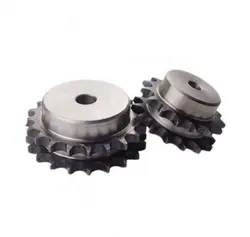
Best Lubrication Practices for wheel sprocket Systems
Proper lubrication is essential for maintaining the efficiency and longevity of wheel sprocket systems. The lubrication practices can vary depending on the specific application and the environment in which the system operates. Here are some best practices for lubricating wheel sprocket systems:
- Cleanliness: Before applying any lubricant, ensure that the wheel sprocket surfaces are clean and free from dirt, debris, and old lubricant residue. Cleaning the components helps prevent contaminants from mixing with the lubricant and causing additional wear.
- Choose the Right Lubricant: Select a lubricant specifically designed for the wheel sprocket system. Consider factors such as load, speed, temperature, and environmental conditions when choosing the appropriate lubricant. Some systems may require grease, while others may need oil-based lubricants.
- Apply Adequate Amount: Apply the lubricant in the right quantity to ensure proper coverage of the contacting surfaces. Too little lubricant may not provide sufficient protection, while too much can lead to excess heat and waste.
- Regular Lubrication Schedule: Establish a maintenance schedule for lubrication based on the operating conditions of the system. In high-demand applications, more frequent lubrication may be necessary to prevent premature wear.
- Monitor and Reapply: Regularly monitor the condition of the wheel sprocket system and observe any signs of inadequate lubrication, such as increased friction or unusual noise. Reapply lubricant as needed to maintain optimal performance.
- Re-lubrication After Cleaning: If the wheel sprocket system is cleaned, ensure that fresh lubricant is applied after cleaning to restore the protective layer.
- Consider Lubrication Type: Depending on the application, consider using dry lubricants or solid lubricants for environments where dust and dirt accumulation may be a concern.
It’s essential to follow the manufacturer’s recommendations and guidelines for lubrication. Additionally, consult with lubrication experts or equipment suppliers for specific recommendations based on your wheel sprocket system’s unique requirements.
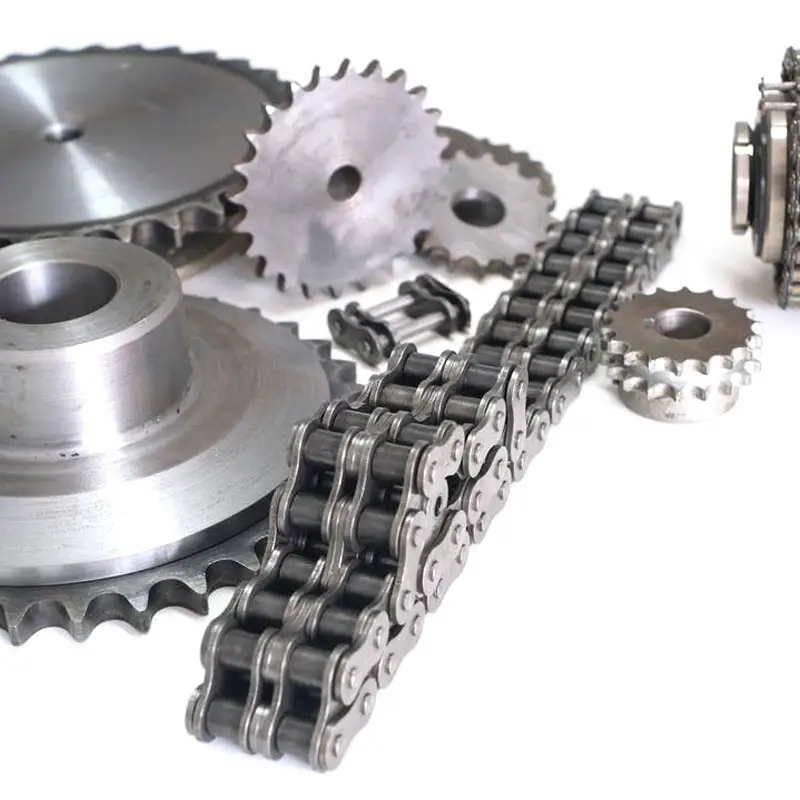
Using a Belt Sprocket in Place of a Chain Sprocket with a Wheel
Yes, in many cases, a belt sprocket can be used in place of a chain sprocket with a wheel, provided that the system is designed to accommodate the change.
Both chain sprockets and belt sprockets serve the same fundamental purpose of transferring rotational motion and power between the wheel and the driven component. However, there are some important considerations to keep in mind when replacing a chain sprocket with a belt sprocket:
- Alignment: Belt sprockets and chain sprockets must be aligned properly with the wheel to ensure smooth and efficient power transmission. Any misalignment can cause premature wear and reduce the system’s overall performance.
- Tension: Chain-driven systems require specific tension to prevent slack and maintain proper engagement between the sprockets and the chain. Belt-driven systems, on the other hand, require appropriate tension to prevent slippage. Ensuring the correct tension for the specific type of sprocket is crucial for reliable operation.
- Load Capacity: Consider the load capacity and torque requirements of the system when selecting a belt sprocket. Belt sprockets may have different load-carrying capabilities compared to chain sprockets, and using the wrong type can lead to premature wear or failure.
- Speed and RPM: Belt-driven systems may have different operating speeds and RPM limits compared to chain-driven systems. Ensure that the selected belt sprocket can handle the desired rotational speed without exceeding its design limitations.
- System Design: Changing from a chain-driven system to a belt-driven system (or vice versa) may require modifications to the overall system design, including the size of the sprockets and the layout of the system. Consult with an engineer or a qualified professional to ensure that the replacement is appropriate and safe.
Overall, replacing a chain sprocket with a belt sprocket can be a viable option in certain applications. However, it’s essential to consider the factors mentioned above and evaluate the compatibility of the new sprocket with the existing system to achieve optimal performance and longevity.
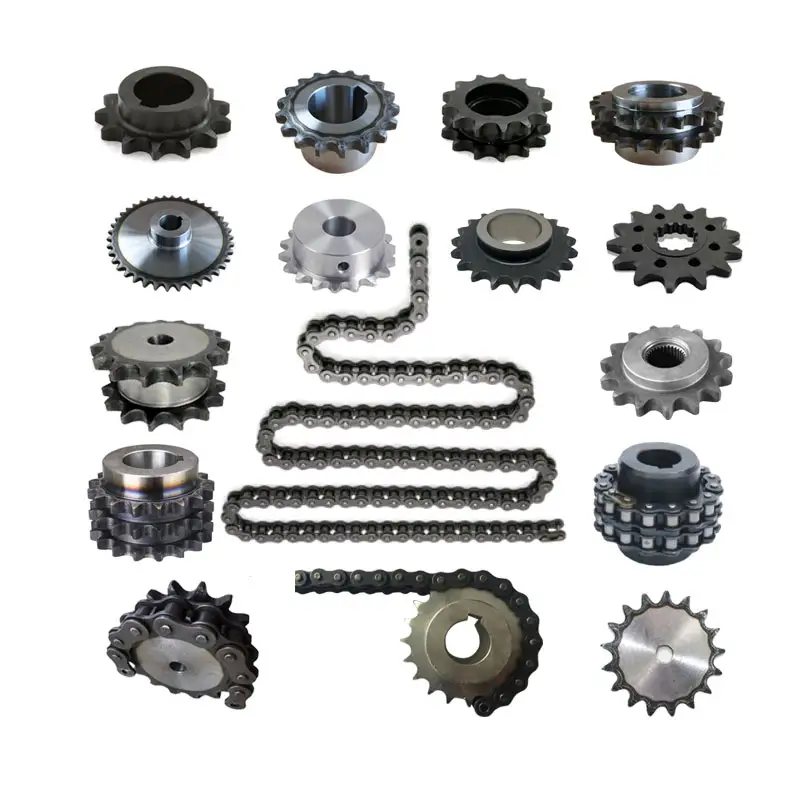
Calculating Gear Ratio for a wheel sprocket Setup
In a wheel sprocket system, the gear ratio represents the relationship between the number of teeth on the sprocket and the number of teeth on the wheel. The gear ratio determines the speed and torque relationship between the two components. To calculate the gear ratio, use the following formula:
Gear Ratio = Number of Teeth on Sprocket ÷ Number of Teeth on Wheel
For example, if the sprocket has 20 teeth and the wheel has 60 teeth, the gear ratio would be:
Gear Ratio = 20 ÷ 60 = 1/3
The gear ratio can also be expressed as a decimal or percentage. In the above example, the gear ratio can be expressed as 0.3333 or 33.33%.
It’s important to note that the gear ratio affects the rotational speed and torque of the wheel sprocket. A gear ratio greater than 1 indicates that the sprocket’s speed is higher than the wheel’s speed, resulting in increased rotational speed and reduced torque at the wheel. Conversely, a gear ratio less than 1 indicates that the sprocket’s speed is lower than the wheel’s speed, resulting in decreased rotational speed and increased torque at the wheel.
The gear ratio is crucial in various applications where precise control of speed and torque is required, such as bicycles, automobiles, and industrial machinery.
<img src="https://img.hzpt.com/img/sprocket/sprocket-1.webp" alt="China wholesaler Excavator Spare Parts Rim Sprocket Cat320 Excavator Sprocket 8e9805 Segment Chain Sprockets “><img src="https://img.hzpt.com/img/sprocket/sprocket-2.webp" alt="China wholesaler Excavator Spare Parts Rim Sprocket Cat320 Excavator Sprocket 8e9805 Segment Chain Sprockets “>
editor by lmc 2024-09-09