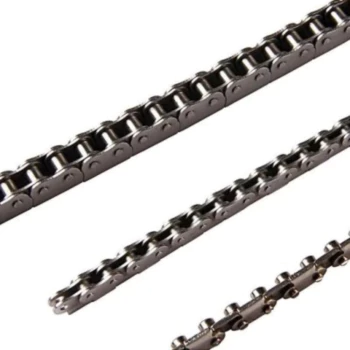
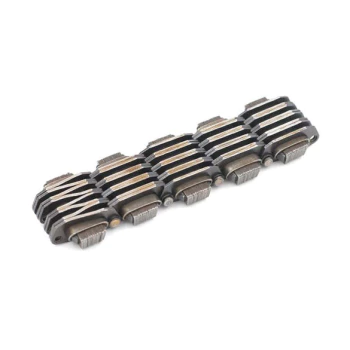
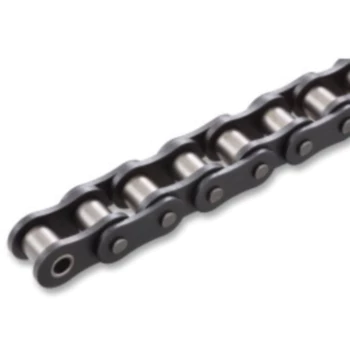
China Professional Power Transmission Docks Chain for Drive Machine 7ton Chain
Product Description
Product Description
Kasin is specialized in 5ton,7ton,x348,x458,x678 caterpillarchain/dock chain
Kasin No.
Pitch
A
F
G
J
K
S
BreakingLoad kN
Weight kg/m
X348
76.6
46
27
12.7
13.2
18.8
13.5
110
3.4
X458
102.4
57
37
16
16
25
17.5
210
5.2
X678
153.2
77
51
22
21
32.2
25.5
320
9.2
H698
153.2
90
70
28
25.4
38
33
515
17
9118
228.6
125
75
35
33.5
52
37.2
832
24.2
P1
Http://kasinchain
Material:
Alloy
Structure:
Roller Chain
Surface Treatment:
Shot Blasting
Chain Size:
P:50.80mm
Feature:
Oil Resistant, Heat Resistant
Links Per 10 FT:
20
Samples:
US$ 20/Meter 1 Meter(Min.Order)
|
Request Sample
Customization:
Available
|
Customized Request
What are the advantages of using a lightweight drive chain?
Using a lightweight drive chain offers several advantages in certain applications where weight reduction is a critical factor. Here is a detailed explanation:
Lightweight drive chains are specifically designed to provide reliable power transmission while minimizing the overall weight of the system. The advantages of using such chains include:
Improved Energy Efficiency: Lightweight drive chains reduce the overall mass and inertia of the power transmission system. This results in improved energy efficiency, as less power is required to accelerate and decelerate the lighter components. Reduced energy consumption contributes to cost savings and promotes sustainability.
Enhanced System Performance: By reducing the weight of the drive chain, the overall system performance can be improved. The reduced mass allows for quicker response times, faster acceleration, and improved dynamic performance of the machinery or equipment. This can be particularly beneficial in applications that require rapid changes in speed or direction.
Increased Speed Capability: Lightweight drive chains enable higher speeds due to reduced inertia and decreased centrifugal forces. This allows for faster operation, quicker cycle times, and improved productivity in applications that demand high-speed power transmission.
Reduced Wear and Friction: The lighter weight of the drive chain can contribute to reduced wear and friction between the chain and the sprockets. With less weight bearing on the chain and sprocket teeth, there is reduced contact stress and improved lubrication distribution. This leads to lower frictional losses, decreased wear, and extended chain life.
Easier Installation and Maintenance: Lightweight drive chains are easier to handle and install compared to heavier chains, reducing the physical strain on operators during installation or maintenance tasks. The reduced weight simplifies handling and improves overall ergonomics, making it more convenient for operators to work with the chain.
Application Versatility: Lightweight drive chains can be used in a wide range of industries and applications where weight reduction is advantageous. They are commonly employed in sectors such as automotive, robotics, aerospace, and portable equipment, where lightweight components contribute to improved performance and fuel efficiency.
It is important to consider the specific requirements and constraints of the application when selecting a lightweight drive chain. Factors such as load capacity, speed capabilities, environmental conditions, and material selection should be taken into account.
While lightweight drive chains offer numerous benefits, it is crucial to ensure that their reduced weight does not compromise their load-carrying capacity or durability. Regular maintenance, including proper tensioning, lubrication, and periodic inspection, is essential to maintain the optimal performance and reliability of lightweight drive chains.
By utilizing lightweight drive chains in appropriate applications, operators can benefit from improved energy efficiency, enhanced system performance, increased speed capabilities, reduced wear and friction, easier installation and maintenance, and overall weight reduction, contributing to improved efficiency and performance of the power transmission system.
How does the efficiency of a drive chain compare to other power transmission systems?
The efficiency of a drive chain can vary depending on factors such as chain type, design, lubrication, and operating conditions. Here is a detailed explanation of how the efficiency of a drive chain compares to other power transmission systems:
High Efficiency: Drive chains are known for their high efficiency in power transmission. When properly lubricated and maintained, they can achieve efficiency levels of 95% or higher, which means that a minimal amount of power is lost during transmission.
Comparable to Other Systems: The efficiency of a drive chain is generally comparable to other common power transmission systems such as belt drives and gear drives. Each system has its own advantages and considerations, and their efficiencies can be similar when operating under optimal conditions.
Factors Affecting Efficiency: The efficiency of a drive chain can be influenced by several factors. These include the type and design of the chain, the condition of the sprockets, the level of lubrication, the alignment of the system, and the tension of the chain. Proper selection, installation, and maintenance play key roles in maximizing the efficiency of a drive chain.
Losses in Power Transmission: Despite their high efficiency, drive chains do experience some power losses during operation. These losses occur due to friction within the chain, sliding at the contact points between the chain and the sprockets, and other mechanical factors. However, these losses can be minimized through proper lubrication and tensioning of the chain.
In summary, drive chains offer high efficiency in power transmission, comparable to other common power transmission systems. By selecting the appropriate chain type, ensuring proper lubrication and maintenance, and optimizing the system’s alignment and tension, the efficiency of a drive chain can be maximized, resulting in effective power transmission and minimal power losses.
How do you properly tension a drive chain?
Tensioning a drive chain properly is important to ensure optimal performance, minimize wear, and prevent premature failure. Here are the steps to properly tension a drive chain:
Identify the Tensioning Method: Determine the type of tensioning system used for your specific drive chain. Common tensioning methods include manual adjustment, automatic tensioners, or tensioning devices incorporated into the chain drive system.
Refer to Manufacturer’s Guidelines: Consult the manufacturer’s guidelines or specifications for the recommended tensioning range and procedure specific to your drive chain. Manufacturers often provide specific instructions regarding the appropriate tensioning method and the acceptable slack or sag limits.
Measure the Initial Tension: Measure the initial tension of the drive chain. This can be done using a tension gauge or by applying manual force to the chain at a specific point and measuring the deflection or sag. Ensure that the initial tension is within the recommended range specified by the manufacturer.
Adjust Tension: If the initial tension is outside the recommended range, adjust the tension accordingly. For manual tensioning systems, typically a tensioning device, such as an adjusting bolt or eccentric cam, is used to increase or decrease the tension. Follow the manufacturer’s instructions for the specific adjustment mechanism.
Check Alignment: While tensioning the chain, ensure that it remains properly aligned on the sprockets. Misalignment can cause uneven wear and premature failure. Make any necessary alignment adjustments as per the manufacturer’s recommendations.
Recheck Tension: After tension adjustment and alignment, recheck the tension to ensure it falls within the recommended range. Use a tension gauge or follow the manufacturer’s guidelines for measuring the tension. Repeat the adjustment process if necessary.
Verify Operation: After tensioning, operate the machinery or system with the tensioned chain and observe its performance. Check for any abnormal noise, vibration, or unusual wear patterns. If any issues persist, reevaluate the tensioning and alignment.
It is important to note that proper tensioning may require periodic rechecks and adjustments over time as the chain elongates or wears. Regular maintenance and inspections will help ensure the drive chain remains properly tensioned and aligned for optimal performance and longevity.
editor by CX 2023-12-11
Chain Sprocket
As one of leading chain sprocket manufacturers, suppliers and exporters of mechanical products, We offer chain sprocket and many other products.