
Product Description
CHINAMFG rollers enhance rotation on the bushing while reducing impact loads on the sprocket tooth during operation.
All components are heat treated to achieve maximum strength. All components are heat treated to achieve maximum strength.
Pre-loaded during the manufacturing process to minimize initial elongation.
Hot dipped lubrication ensures 100% lubrication of all chain components to extend wear life and reduce maintenance costs.
| ISO NO. |
ANSI NO. |
PITCH | BUSH WIDTH |
ROLLER DIA |
PIN | PLATE | TRANS PITCH |
MIN. STRENGTH |
AVG. STRENGTH |
WEIGHT | |||
| d | L1 | L2 | H | t/T | |||||||||
| mm | mm | mm | mm | mm | mm | mm | mm | mm | kgf | kgf | kg/m | ||
| *04C-2 | *25-2 | 6.350 | 3.18 | 3.30 | 2.31 | 7.10 | 7.90 | 5.90 | 0.75 | 6.40 | 7.00 | 8.60 | 0.28 |
| *06C-2 | *36-2 | 9.525 | 4.77 | 5.08 | 3.58 | 11.10 | 12.30 | 9.00 | 1.27 | 10.13 | 15.80 | 20.00 | 0.69 |
| 08A-2 | 40-2 | 12.700 | 7.85 | 7.77 | 3.96 | 15.50 | 16.70 | 12.00 | 1.52 | 14.38 | 27.60 | 34.50 | 1.30 |
| 571A-2 | 50-2 | 15.875 | 9.40 | 10.16 | 5.08 | 19.30 | 20.70 | 15.00 | 2.00 | 18.11 | 43.60 | 59.50 | 2.08 |
| 012A-2 | 60-2 | 19.050 | 12.57 | 11.91 | 5.94 | 24.05 | 25.95 | 18.00 | 2.40 | 22.78 | 62.30 | 80.60 | 3.09 |
| 016A-2 | 80-2 | 25.400 | 15.75 | 15.88 | 7.92 | 30.75 | 33.15 | 23.50 | 3.20 | 29.29 | 111.20 | 134.80 | 5.29 |
| 571A-2 | 100-2 | 31.750 | 18.90 | 19.05 | 9.52 | 37.70 | 41.10 | 30.00 | 4.00 | 35.76 | 173.50 | 224.30 | 8.01 |
| 571A-2 | 120-2 | 38.100 | 25.22 | 22.23 | 11.10 | 47.75 | 51.05 | 35.80 | 4.90 | 45.44 | 249.10 | 326.40 | 11.84 |
| 571A-2 | 140-2 | 44.450 | 25.22 | 25.40 | 12.70 | 51.35 | 55.35 | 41.50 | 5.60 | 48.87 | 338.10 | 409.00 | 14.89 |
| 032A-2 | 160-2 | 50.800 | 31.55 | 28.58 | 14.27 | 61.35 | 65.05 | 48.00 | 6.40 | 58.55 | 444.80 | 556.80 | 20.26 |
| 036A-2 | 180-2 | 57.150 | 35.48 | 35.71 | 17.46 | 69.25 | 73.65 | 54.00 | 7.20 | 65.84 | 560.50 | 652.80 | 27.62 |
| 040A-2 | 200-2 | 63.500 | 37.85 | 39.68 | 19.84 | 75.35 | 79.65 | 59.60 | 8.00 | 71.55 | 693.90 | 921.60 | 33.64 |
| Usage: | Transmission Chain, Conveyor Chain, Roller Chain |
|---|---|
| Material: | Alloy/Carbon Steel |
| Surface Treatment: | Polishing |
| Feature: | Heat Resistant |
| Chain Size: | 1/4"~3" |
| Structure: | Roller Chain |
| Samples: |
US$ 10/Meter
1 Meter(Min.Order) | |
|---|
| Customization: |
Available
| Customized Request |
|---|
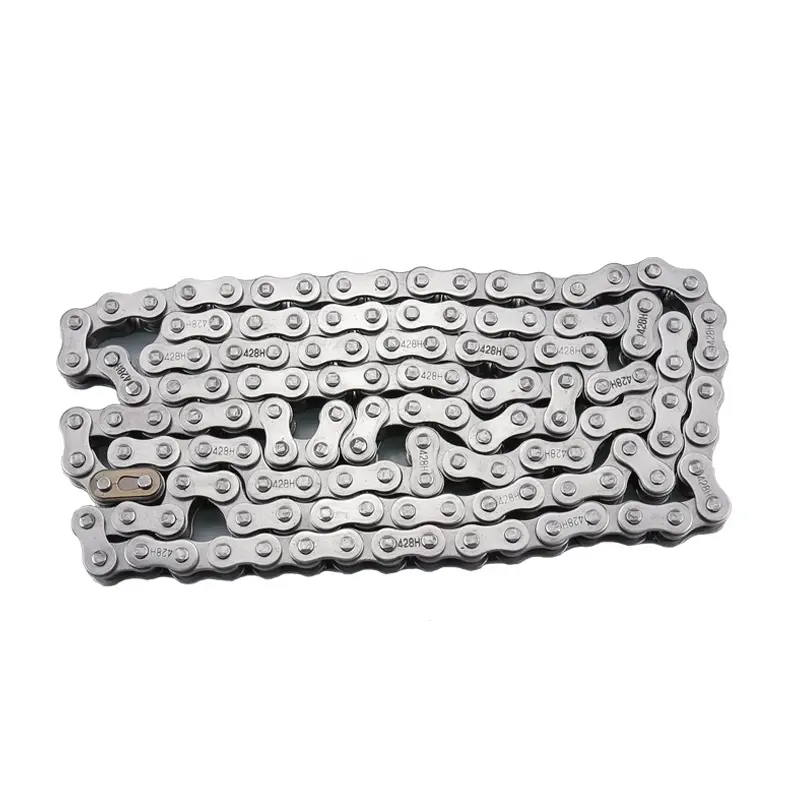
What are the benefits of using a maintenance-free lubricant on a transmission chain?
Using a maintenance-free lubricant on a transmission chain offers several advantages. Here’s a detailed answer to the question:
1. Extended Chain Life: Maintenance-free lubricants are specifically formulated to provide long-lasting lubrication, reducing friction and wear on the transmission chain. This extends the chain’s life and minimizes the need for frequent lubrication or reapplication.
2. Reduced Downtime and Maintenance Costs: With a maintenance-free lubricant, there is no need for regular lubrication or scheduled maintenance intervals. This significantly reduces downtime for lubrication and maintenance tasks, resulting in cost savings and increased productivity.
3. Improved Performance and Efficiency: The use of a maintenance-free lubricant ensures consistent and optimal lubrication throughout the chain’s operation. This leads to improved performance, smoother operation, and reduced power losses due to friction. It also helps maintain the chain’s efficiency over time.
4. Environmentally Friendly: Maintenance-free lubricants often have low environmental impact. They are designed to minimize leakage, reduce waste, and offer better resistance to dirt and debris accumulation. This promotes a cleaner and safer working environment.
5. Simplified Maintenance Routine: By using a maintenance-free lubricant, the need for regular lubrication and maintenance procedures is eliminated or significantly reduced. This simplifies the maintenance routine, saves time, and allows operators to focus on other critical tasks.
6. Consistent Lubrication in Challenging Environments: Maintenance-free lubricants are engineered to withstand harsh operating conditions, such as high temperatures, extreme pressures, or exposure to contaminants. They provide reliable lubrication even in challenging environments, ensuring proper chain performance and longevity.
When considering the use of a maintenance-free lubricant, it’s important to consult with the manufacturer or lubricant supplier to ensure compatibility with the transmission chain and its specific application requirements. Following the recommended guidelines for application and reapplication, as well as regular inspections, will help optimize the benefits of using a maintenance-free lubricant on the transmission chain.
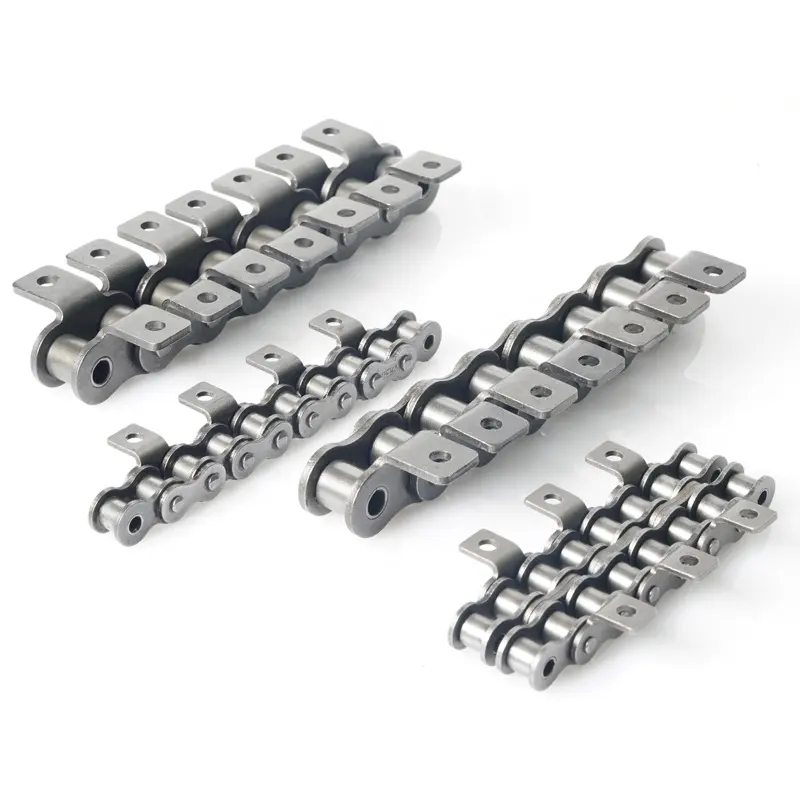
Can transmission chains be used in renewable energy systems?
Yes, transmission chains can be used in renewable energy systems. Here’s a detailed answer to the question:
Renewable energy systems, such as wind turbines and solar power plants, often require the efficient transfer of mechanical power from the energy source to the generator or other components. Transmission chains play a vital role in this power transmission process.
In wind turbines, transmission chains are commonly used in the pitch control system. The pitch control mechanism adjusts the angle of the turbine blades to optimize their performance based on wind conditions. Transmission chains provide a reliable and robust method for transmitting the necessary power from the pitch motor to the blade adjustment mechanism.
In solar power plants, transmission chains are used in solar tracking systems. These systems allow solar panels or mirrors to track the sun’s movement throughout the day, maximizing the amount of sunlight captured and improving the overall efficiency of the solar power generation. Transmission chains facilitate the precise movement required for solar tracking, ensuring accurate alignment and optimal energy capture.
Transmission chains used in renewable energy systems need to be durable, reliable, and capable of withstanding the environmental conditions typically encountered in these applications. They may require specific features such as corrosion resistance, high strength, and the ability to operate in a wide range of temperatures.
Overall, transmission chains offer an efficient and effective solution for power transmission in renewable energy systems. Their versatility, reliability, and ability to handle various loads and speeds make them suitable for use in wind turbines, solar tracking systems, and other renewable energy applications.
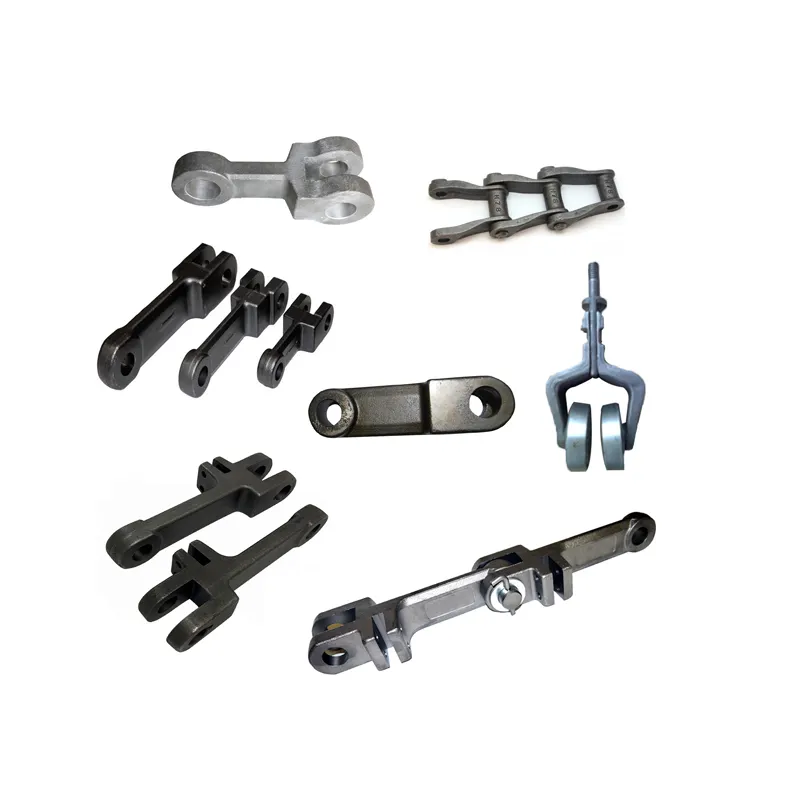
What are the maintenance requirements for transmission chains?
Maintenance plays a crucial role in ensuring the optimal performance and longevity of transmission chains. Here’s a detailed explanation:
1. Regular Inspection: Regular visual inspections should be conducted to check for any signs of wear, damage, or misalignment. Inspect the chain for signs of elongation, corrosion, broken or damaged links, and excessive wear on the sprockets.
2. Lubrication: Proper lubrication is essential to minimize friction, reduce wear, and extend the life of the chain. Follow the manufacturer’s recommendations for the type and frequency of lubrication. Apply lubricant evenly along the entire length of the chain, ensuring that it penetrates between the components.
3. Tensioning: Maintaining the correct tension in the chain is important for smooth operation and to prevent chain slippage. Follow the manufacturer’s guidelines for the recommended tensioning method and the appropriate tension level. Check the tension regularly and adjust as necessary.
4. Cleaning: Regular cleaning helps remove dirt, debris, and contaminants that can accelerate wear and cause chain failure. Use a suitable cleaning agent or solvent to clean the chain, and ensure it is thoroughly dry before applying lubrication.
5. Alignment: Proper alignment between the chain and the sprockets is crucial for smooth operation and to prevent premature wear. Check the alignment regularly and make any necessary adjustments to ensure the chain runs straight and smoothly along the sprockets.
6. Replacement of Worn Components: Over time, transmission chains may experience wear and elongation. It is important to replace worn-out components such as links, pins, and sprockets to maintain the proper functioning of the chain.
7. Environmental Considerations: Consider the operating environment of the transmission chain and take appropriate measures to protect it from corrosive substances, extreme temperatures, or excessive humidity. Apply corrosion-resistant coatings or use stainless steel chains when necessary.
8. Record Keeping: Maintain a record of maintenance activities, including lubrication schedules, tension adjustments, inspections, and component replacements. This record will help track the maintenance history and identify any patterns or issues that may arise.
It is important to consult the manufacturer’s guidelines and recommendations for specific maintenance requirements based on the type and model of the transmission chain. Adhering to proper maintenance practices will help ensure the reliability, performance, and longevity of the transmission chain in various applications.


editor by CX 2023-09-19