Product Description
Product Description
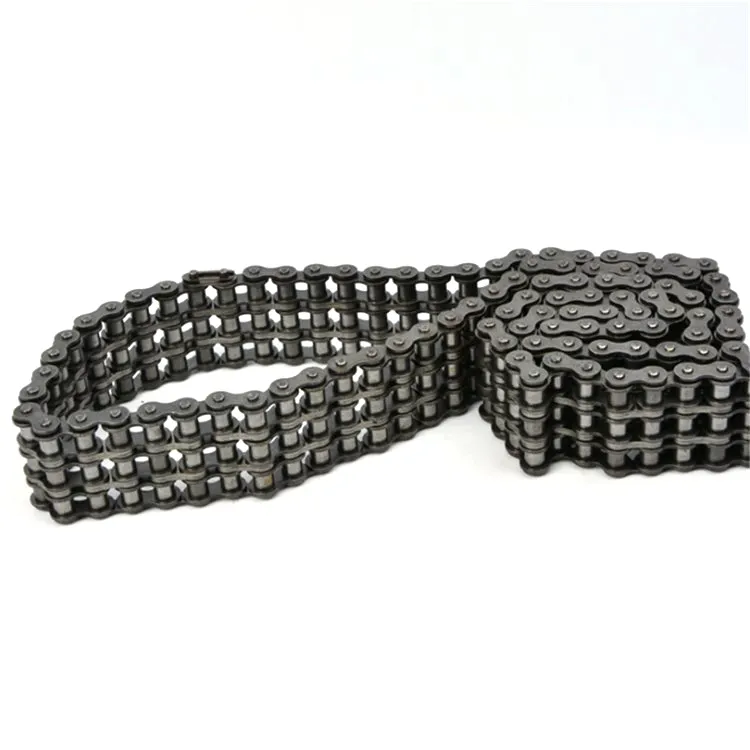
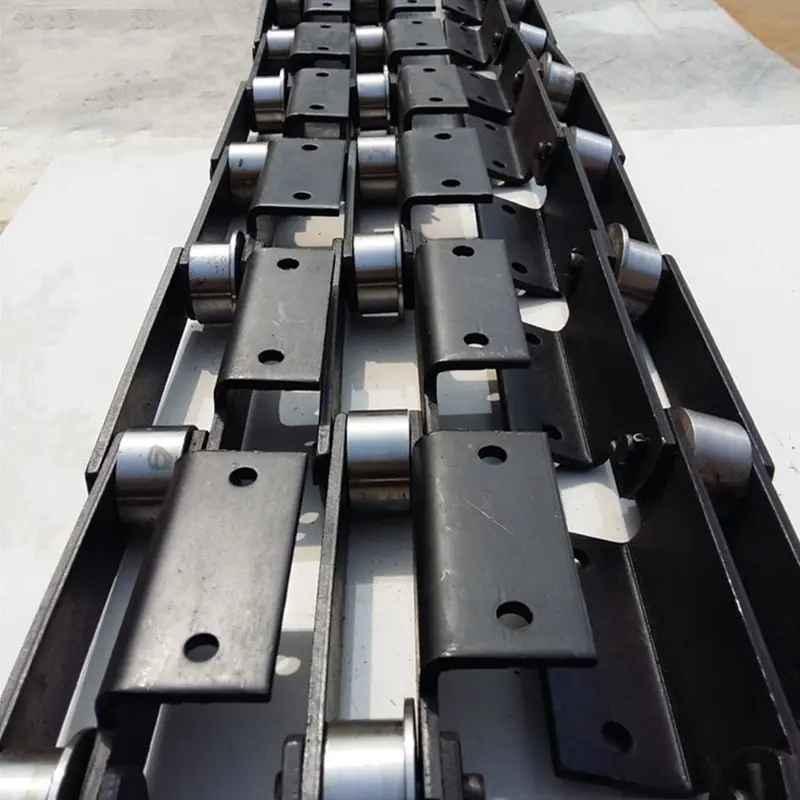
UH-5075-S series conveyor chains have excellent extensity and capable of making any turn on both horizontal planes and vertical planes. Based on the actual needs of various process flows, the conveyor has been deliberately designed to run across relatively long routes and abstruction objects to transmit the work pieces along the scheduled route all the way to their destinations. In this way, UH-5075 can integrae all separate production steps into an automatic production line, which has greatly improved efficiency and product quality level and strengthen the management as well.
Features:
Overhead trolley conveyors are used in wide range of applications, including: manufacturing and assembly, warehousing and distribution of the goods.
Overhead chain conveyors system can prove to be cost effective as they reduce the use of carriers and allows large volumes to move rapidly through a process.
Techncial Date
|
Kasin No. |
UH-5075-S Standard chain |
Heavy-duty chain
|
UH-5075-HV Heavy-duty chain |
UH-5075-HA Heavy-duty chain |
|||||||||||||
|
Suspension Spacing (mm) |
150+(150× N) |
150+(150 × N) |
150+(150 × N) |
150+(150 × N) |
|||||||||||||
|
Chain’s Weight (kg/m) |
4.2 |
4.58 |
4.83 |
5.3 |
|||||||||||||
|
Single-span Weight (≤kg) |
35 |
40 |
45 |
50 |
|||||||||||||
|
Chain’s Allowed Pull Force (≤kgf) |
3/8822 0571 -57152031 Fax: 86~/8822 0571 -57152030
How does the choice of chain attachment affect the functionality of a transmission chain?The choice of chain attachment plays a critical role in the functionality and performance of a transmission chain. Here’s a detailed answer to the question: 1. Load Capacity: Different chain attachments are designed to handle specific types and amounts of loads. The selection of the appropriate attachment is crucial to ensure that the transmission chain can safely and efficiently carry the intended load. The type of attachment, such as extended pins, cleats, or slats, can determine the chain’s ability to handle heavy or irregular loads. 2. Application Compatibility: The choice of chain attachment should align with the specific application requirements. Different industries and applications may require specialized attachments that are designed to address particular challenges or provide specific functionalities. For example, attachments used in conveying systems may include rollers, flights, or grippers to facilitate smooth material transfer. 3. Alignment and Tracking: Certain chain attachments, such as guide rails or track systems, help to ensure proper alignment and tracking of the transmission chain. These attachments minimize the risk of chain derailment or misalignment, which can lead to operational issues and reduced efficiency. 4. Positioning and Orientation: Some applications require precise positioning or orientation of objects or components. Chain attachments, such as indexing pins or brackets, are designed to facilitate accurate positioning or rotation of objects along the chain’s path. These attachments contribute to the reliable and precise operation of the transmission chain. 5. Material Handling: In material handling applications, chain attachments are often used to secure or hold items during transport. Attachments like hooks, clamps, or brackets enable the secure attachment of objects to the chain, preventing slippage or displacement during movement. This ensures safe and efficient material handling operations. 6. Specialized Functions: Chain attachments can provide additional functions based on specific application requirements. For example, attachments such as sensors, RFID tags, or lubrication reservoirs can be integrated into the chain design to enable monitoring, tracking, or lubrication functions. These specialized attachments enhance the overall functionality and performance of the transmission chain. It’s important to select the appropriate chain attachment based on the specific application needs, load requirements, and desired functionality. Consulting with industry experts or chain manufacturers can help in determining the most suitable attachment options for optimal transmission chain performance.
What are the advantages of using a flame-retardant transmission chain?Flame-retardant transmission chains offer specific benefits in certain applications where fire safety is a concern. Here’s a detailed answer to the question: 1. Fire Protection: The primary advantage of using a flame-retardant transmission chain is enhanced fire protection. These chains are designed with materials and coatings that have high resistance to ignition and flame spread. In the event of a fire, they help to minimize the risk of the chain contributing to the spread of flames. 2. Safety: Flame-retardant transmission chains contribute to overall safety in environments where fire hazards are present. By reducing the flammability of the chain, they help prevent the chain from igniting or sustaining a fire, protecting personnel and property. 3. Compliance with Fire Regulations: In industries or applications where fire safety regulations are stringent, using flame-retardant transmission chains ensures compliance with these requirements. It helps to meet the necessary standards and regulations for fire prevention and protection. 4. Extended Escape Time: In situations where personnel may need to evacuate quickly during a fire, flame-retardant transmission chains can provide valuable additional time for safe evacuation. By resisting ignition and flame propagation, they help maintain structural integrity and delay the spread of fire. 5. Property Protection: Flame-retardant transmission chains help protect valuable equipment, machinery, and assets from fire damage. By reducing the risk of the chain catching fire, they minimize the potential for equipment failure and subsequent loss or damage. It’s important to note that flame-retardant transmission chains may have specific design considerations and limitations. They are typically used in applications where fire safety is critical, such as in transportation systems, aerospace, mining, and other industries where the risk of fire is high. Selecting the appropriate flame-retardant chain requires considering the specific requirements of the application and ensuring compliance with relevant fire safety standards and regulations.
Are there specific lubrication requirements for transmission chains?Yes, transmission chains typically require proper lubrication to ensure smooth operation, reduce wear, and prolong their service life. Here are some key points regarding lubrication requirements for transmission chains:
Following the manufacturer’s recommendations and adhering to the specific lubrication requirements for the transmission chain will help ensure optimal performance, reduce wear, and extend the chain’s lifespan.
|