
Product Description
Products Collection
Product Description
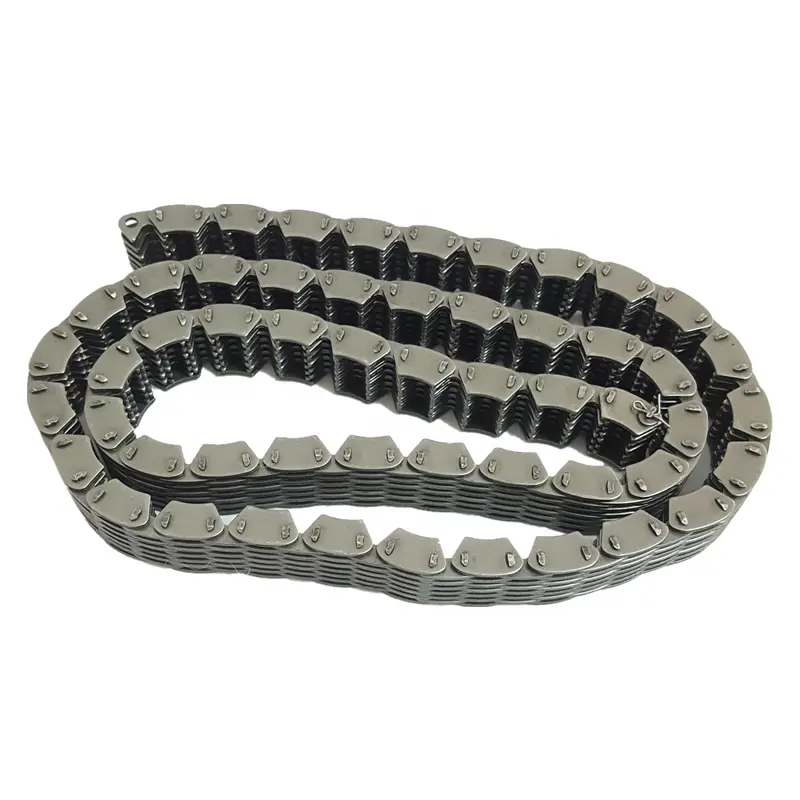
Our QLD series silent chain is a power transmission chain designed for high-speed and high-torque applications. It is known for its quiet operation, long life, and high efficiency.
The chain features a high-strength construction that allows it to handle heavy loads and high speeds without stretching or breaking.
When you need a specific design, we can provide customised solutions based on what you need. Whether you require specific features, plans, materials, or specifications, our team can work to ensure you get a chain that fully meets your needs.
Are you looking for other chains?
Leave your message below, and feel free to contact us!
FAQ
| Question 1: Are you a Manufacturer or a Trading Company? |
| Answer: We are a 100% chain manufacturer with 23 years of experience |
| Question 2: What should I provide to get a quotation? |
| Answer: 1. Type of the chain (with photos if available) 2. Pitch of the chain 3. Width of the chain 4. Length and quantity of the chain 5. Other specific requirements |
| Question 3: How long is your manufacturing and delivery time? |
| Answer: Products are usually finished in 2 weeks, depending on the type and quantity. Also, please get in touch with us to check the delivery time to your destination. |
| Question 4: How long is your guaranteed time? |
| Answer: We offer a three-year guarantee if you purchase chains and matched sprockets together. If you need chains only, a one-year guarantee can also be confirmed. |
| Question 5: Trade terms and Payment terms? |
| Answer: We accept EXW, FOB, DDU, Door to Door. Payment terms, such as T/T, L/C, and Western Union, are acceptable. We also provide the service of Online Trading in this B2B platform. |
Company Profile
| Standard or Nonstandard: | Standard |
|---|---|
| Application: | Textile Machinery, Garment Machinery, Conveyer Equipment, Packaging Machinery, Food Machinery, Marine, Mining Equipment, Agricultural Machinery |
| Structure: | Tooth Chain |
| Samples: |
US$ 100/Meter
1 Meter(Min.Order) | Order Sample |
|---|
| Customization: |
Available
| Customized Request |
|---|
.shipping-cost-tm .tm-status-off{background: none;padding:0;color: #1470cc}
|
Shipping Cost:
Estimated freight per unit. |
about shipping cost and estimated delivery time. |
|---|
| Payment Method: |
|
|---|---|
|
Initial Payment Full Payment |
| Currency: | US$ |
|---|
| Return&refunds: | You can apply for a refund up to 30 days after receipt of the products. |
|---|
Can transmission chains be used in marine or offshore applications?
Yes, transmission chains can be used in marine or offshore applications. Here’s a detailed answer to the question:
1. Corrosion Resistance: Transmission chains used in marine or offshore applications are typically made from materials that offer high corrosion resistance, such as stainless steel or specially coated chains. These chains are designed to withstand the corrosive effects of s altwater, moisture, and other harsh environmental conditions.
2. Sealing and Protection: In marine or offshore environments, transmission chains are often equipped with additional sealing and protection measures. This can include seals, covers, or special coatings that provide an extra layer of defense against water, debris, and contaminants.
3. High Load Capacity: Marine and offshore applications often involve heavy-duty operations, such as lifting or pulling heavy loads. Transmission chains used in these applications are designed to handle high loads and provide reliable power transmission.
4. Resistance to Harsh Conditions: Marine and offshore environments can be challenging, with factors like high humidity, extreme temperatures, and exposure to s altwater and abrasive substances. Transmission chains for these applications are engineered to withstand these harsh conditions and maintain their performance and durability.
5. Compliance with Industry Standards: Transmission chains used in marine or offshore applications may need to meet specific industry standards and regulations. These standards ensure that the chains are suitable for the demanding conditions and safety requirements of the marine and offshore industries.
It’s important to select transmission chains specifically designed for marine or offshore applications to ensure reliable and long-lasting performance. Consulting with experts in the field and following manufacturer guidelines for installation, maintenance, and inspection is essential to maximize the effectiveness and lifespan of the transmission chains in these environments.

How does the wear resistance of a transmission chain affect its longevity?
Wear resistance is a critical factor that affects the longevity of a transmission chain. Here’s a detailed answer to the question:
1. Extended Lifespan: A transmission chain with high wear resistance is designed to withstand the effects of friction and abrasion, leading to an extended lifespan. It can resist wear caused by contact with sprockets, other chains, or external contaminants, resulting in reduced chain elongation and degradation over time.
2. Reduced Maintenance Requirements: Chains with excellent wear resistance require less frequent maintenance and replacement. They can operate reliably and efficiently for longer periods without significant degradation, reducing downtime and maintenance costs.
3. Improved Performance: A transmission chain with good wear resistance maintains its performance characteristics over time. It can effectively transmit power, maintain accurate speed ratios, and operate smoothly without excessive noise or vibration. This results in improved system performance and overall efficiency.
4. Resistance to Environmental Factors: Chains operating in harsh environments or exposed to contaminants, moisture, or chemicals are more susceptible to wear. A transmission chain with high wear resistance can withstand these environmental factors, ensuring reliable operation and minimizing the negative impact of wear-related issues.
5. Cost Savings: Using a transmission chain with excellent wear resistance can lead to cost savings in the long run. The reduced need for frequent chain replacements, repairs, and maintenance can result in lower operating costs and increased productivity.
It’s important to consider the specific application requirements and operating conditions when selecting a transmission chain. Factors such as load capacity, speed, operating environment, and compatibility with other system components should be evaluated to choose a chain with optimal wear resistance for maximizing longevity and performance.
Are there specific lubrication requirements for transmission chains?
Yes, transmission chains typically require proper lubrication to ensure smooth operation, reduce wear, and prolong their service life. Here are some key points regarding lubrication requirements for transmission chains:
- Clean and Adequate Lubrication: It is important to keep the chain adequately lubricated to minimize friction and wear between the chain components. Lubrication helps reduce heat generation and prevents metal-to-metal contact, which can lead to premature wear and failure.
- Appropriate Lubricant Selection: Choosing the right lubricant is crucial for optimal chain performance. Factors to consider when selecting a lubricant include the application temperature, load conditions, speed, and environmental factors. Lubricants should have good adhesion properties, resist oxidation, and provide sufficient film strength to protect the chain surfaces.
- Proper Lubrication Interval: Regular lubrication at appropriate intervals is necessary to maintain the chain’s performance and reduce the risk of excessive wear. The lubrication frequency depends on the operating conditions and the specific lubricant used. Manufacturers usually provide recommendations for lubrication intervals based on the chain type and application.
- Effective Lubrication Application: Proper application of lubricant is essential to ensure uniform coverage and penetration into the chain components. The lubricant should be applied to the inner link plates, roller surfaces, and pin-bushing interfaces. Excess lubricant should be removed to prevent buildup and contamination.
- Environmental Considerations: In certain environments, such as dusty or dirty conditions, the chain may require more frequent lubrication to prevent the ingress of contaminants and maintain proper lubrication film. Additionally, in high-temperature or high-speed applications, special high-temperature or high-speed lubricants may be necessary.
- Regular Inspection and Maintenance: Along with proper lubrication, regular inspection and maintenance of the transmission chain are essential. This includes checking for signs of wear, lubricant degradation, and proper tension. Any damaged or worn components should be replaced promptly to prevent chain failure.
Following the manufacturer’s recommendations and adhering to the specific lubrication requirements for the transmission chain will help ensure optimal performance, reduce wear, and extend the chain’s lifespan.


editor by CX 2023-11-27