
Product Description
Product Description
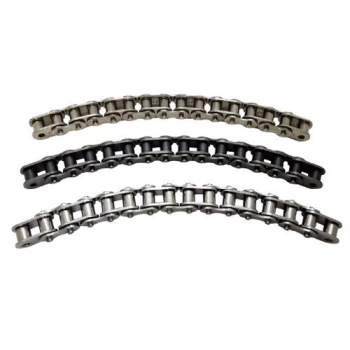
1, Our Chain types: Agricultural roller chain, mining processing chain, motorcycle roller chain, sugar industry chain, cement industry chain, weld steel drag chains etc;
2, Main materials: It is 40Mn. 40Cr, 45Mn alloy steel, SUS304, and POM Plastic for plates, 10#, 20#, 20CrMnMo, 30CrMnTi for pins and rollers;
3, Heat treatment: Carburizing, Austemper Stressing, nitro-caburizing harden etc;
4, Surface: Shot peening, black, blue or original;
Detailed Photos
For example of heavy duty offset sidebar roller chain 1245 (3315), 4571 (5031), 4824 (6035), 3075 (13P)
Product Parameters
Packaging & Shipping
plastic bag+carton+ OSB Case
Shipping way: these products will be shipped to your local port by sea, these also could be sent to your specific address by air.
Our Advantages
Our chains could be customized according to your actual order quantity, actual drawing and actual requirement. We have own chain process workshop, heat treatment workshop, process equipments and experienced designers.
(01)Assembled workshop
(02)Punching plate workshop
(03)Plate fabrication workshop
(04)Heat treatment workshop
(05)Shot peening workshop
(06) our warehouse
After Sales Service
Our products can be repaired or replaced the new parts with free cost in six months.
| Material: | Alloy |
|---|---|
| Structure: | Roller Chain |
| Surface Treatment: | Electroplating |
| Chain Size: | 103.45 |
| Feature: | Heat Resistant |
| Pitch: | 103.45mm |
| Customization: |
Available
| Customized Request |
|---|
How does the lubricant selection affect the performance of a drive chain?
The selection of the proper lubricant plays a critical role in the performance and longevity of a drive chain. Here is a detailed explanation:
Lubrication is essential for maintaining the smooth operation and reducing the wear and friction between the chain’s moving parts. The lubricant creates a protective film that reduces metal-to-metal contact and prevents excessive heat generation. The lubricant selection affects the drive chain’s performance in the following ways:
- Reduced Friction and Wear: The primary function of lubrication is to reduce friction between the chain’s components. A well-chosen lubricant minimizes metal-to-metal contact, reducing wear and extending the chain’s lifespan. It helps to prevent premature failure and ensures the efficient transfer of power throughout the chain.
- Enhanced Load Capacity: Proper lubrication reduces the stress on the chain by creating a lubricating film that cushions the contact between the pins, bushings, and rollers. This improves the chain’s load-carrying capacity, allowing it to handle heavier loads and resist elongation or deformation under high loads.
- Corrosion Protection: Some lubricants are formulated with additives that provide corrosion protection. These lubricants create a barrier that shields the chain from moisture, chemicals, and environmental contaminants, reducing the risk of corrosion and extending the chain’s life in harsh or corrosive environments.
- Temperature Stability: Different lubricants have varying temperature ranges in which they can effectively perform. The lubricant selection should consider the operating temperatures of the application. High-temperature lubricants are designed to withstand elevated temperatures without breaking down or evaporating, ensuring proper lubrication even in hot environments.
- Reduced Noise and Vibration: Proper lubrication contributes to smoother and quieter chain operation. It helps to minimize noise and vibration caused by metal-to-metal contact, resulting in a quieter working environment and improved operator comfort.
- Contamination Control: Lubricants can also play a role in controlling contaminants that may enter the chain system. Some lubricants have properties that resist the accumulation of dust, dirt, or other particles, helping to keep the chain clean and preventing abrasive wear.
The lubricant selection should consider various factors, including the application’s operating conditions, load requirements, temperature range, speed, and compatibility with the chain material. Manufacturers often provide lubrication recommendations based on these factors.
Regular lubrication maintenance is essential to ensure the continued performance of the drive chain. Lubrication intervals should be followed, and the lubricant should be replenished or replaced as recommended by the manufacturer or based on inspection and monitoring of the chain’s condition.
By selecting the appropriate lubricant and implementing proper lubrication practices, operators can ensure optimal chain performance, reduce wear and friction, extend chain life, and minimize maintenance requirements in various industrial applications.
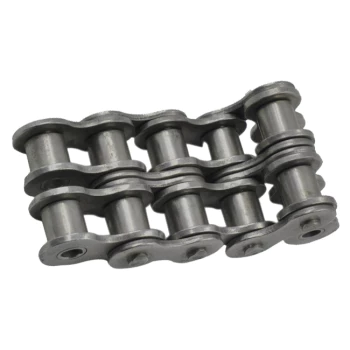
Can a drive chain be used in a printing or paper industry application?
Yes, a drive chain can be used in various applications within the printing and paper industry. Here is a detailed explanation:
The printing and paper industry requires reliable and precise power transmission solutions to operate machinery for tasks such as printing, cutting, folding, and conveying. Drive chains offer several advantages in these applications:
- Precision and Accuracy: Drive chains provide accurate and repeatable power transmission, ensuring precise movement and control required in printing and paper industry applications.
- High Load Capacity: Drive chains have high load-carrying capacity, making them suitable for conveying heavy rolls of paper, moving printing plates, or driving cutting and folding mechanisms.
- Compact Design: Drive chains have a compact design, allowing them to fit in tight spaces and transmit power efficiently in confined areas commonly found in printing and paper machinery.
- Reliability and Durability: Drive chains are known for their reliability and durability. They can withstand continuous operation, shock loads, and varying environmental conditions typically encountered in the printing and paper industry.
- Customization and Adaptability: Drive chains offer flexibility and customization options to meet the specific needs of different printing and paper applications. They can be tailored in terms of size, pitch, attachments, and materials to accommodate various requirements.
- Compatibility with Ancillary Devices: Drive chains can be easily integrated with other components commonly used in the printing and paper industry, such as tensioners, guides, sprockets, and bearings, to ensure optimal performance and reliability.
It is important to select the appropriate drive chain type, size, and material based on the specific requirements of the printing and paper application. Additionally, regular maintenance, including inspection, lubrication, and tension adjustment, is crucial to ensure optimal performance and longevity of the drive chain in these applications.
By leveraging the advantages of drive chains, the printing and paper industry can achieve efficient and reliable power transmission, enabling smooth operation and high-quality production.
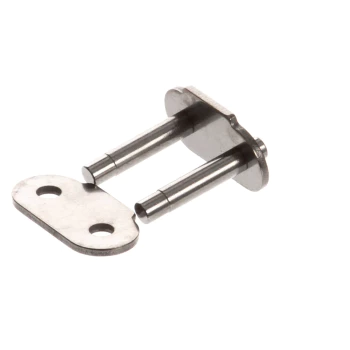
How does the wear life of a drive chain compare to other power transmission systems?
The wear life of a drive chain can vary depending on factors such as the application, operating conditions, maintenance practices, and the quality of the chain itself. Here’s an explanation:
The wear life of a drive chain is influenced by several factors:
- 1. Load and Stress: The load capacity and stress placed on the drive chain affect its wear life. Higher loads and stress levels can lead to accelerated wear and reduced lifespan.
- 2. Lubrication and Maintenance: Proper lubrication and maintenance practices significantly impact the wear life of a drive chain. Regular lubrication, tension adjustment, and inspection help minimize wear and extend the chain’s lifespan.
- 3. Operating Conditions: Environmental factors such as temperature, humidity, dust, and exposure to contaminants can influence the wear life of a drive chain. Harsh operating conditions may accelerate wear and reduce the chain’s lifespan.
- 4. Chain Quality: The quality and construction of the drive chain play a vital role in its wear life. Chains made from high-quality materials and manufactured to precise specifications tend to have longer wear life compared to lower-quality chains.
When comparing the wear life of a drive chain to other power transmission systems, such as belts or gears, it is important to consider the specific application and operating conditions. In some cases, drive chains may offer longer wear life compared to belts, especially in heavy-load or high-torque applications. However, the wear life of gears can often surpass that of drive chains, particularly in applications with high-speed and high-load requirements.
It is essential to consult manufacturer specifications, consider the specific requirements of the application, and evaluate the wear life of different power transmission systems to determine the most suitable option for a given application.


editor by CX 2023-11-28